
Hightlight
-
 UNESCO World Heritage
-
 Viewpoint
부석사
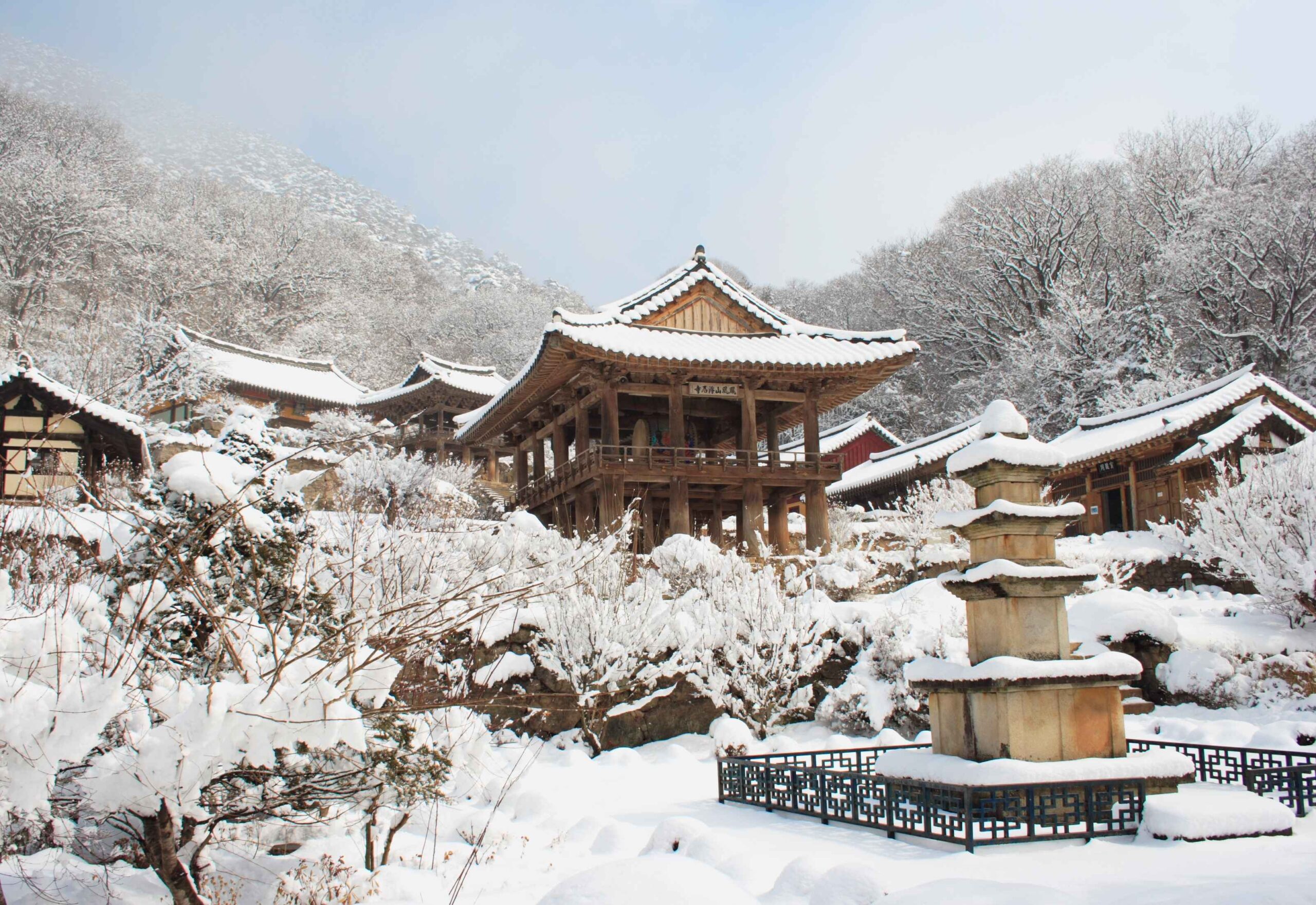
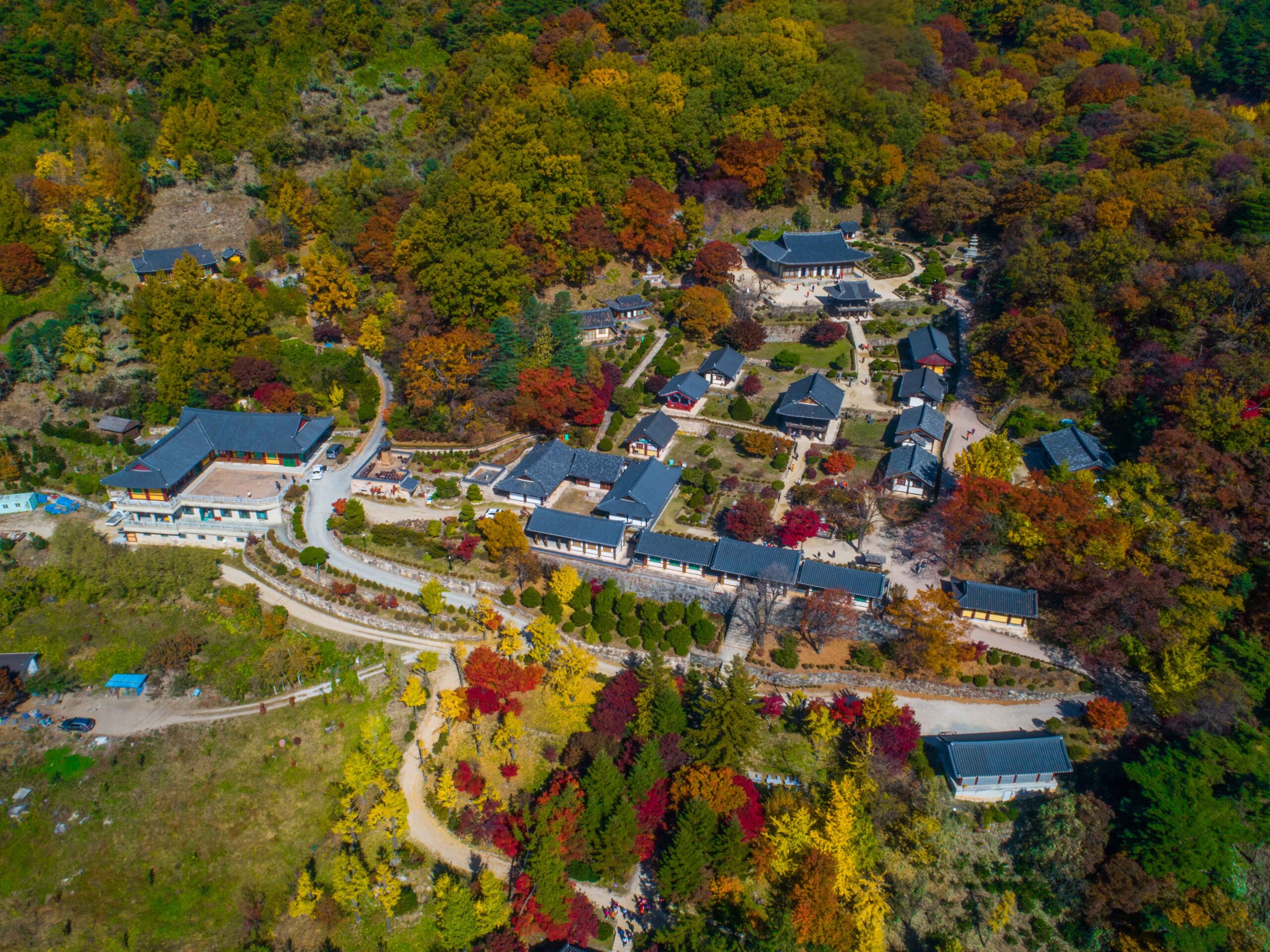
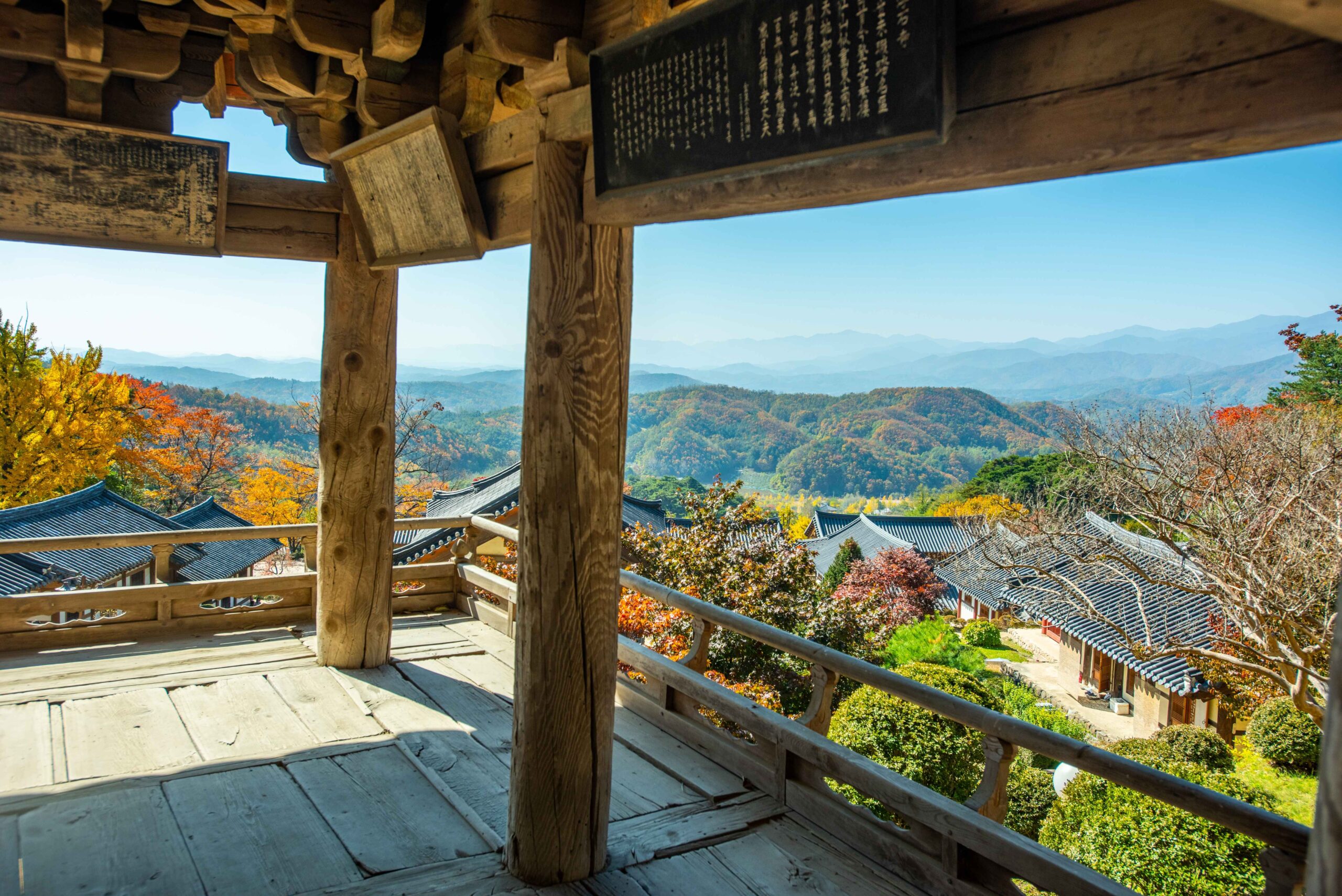
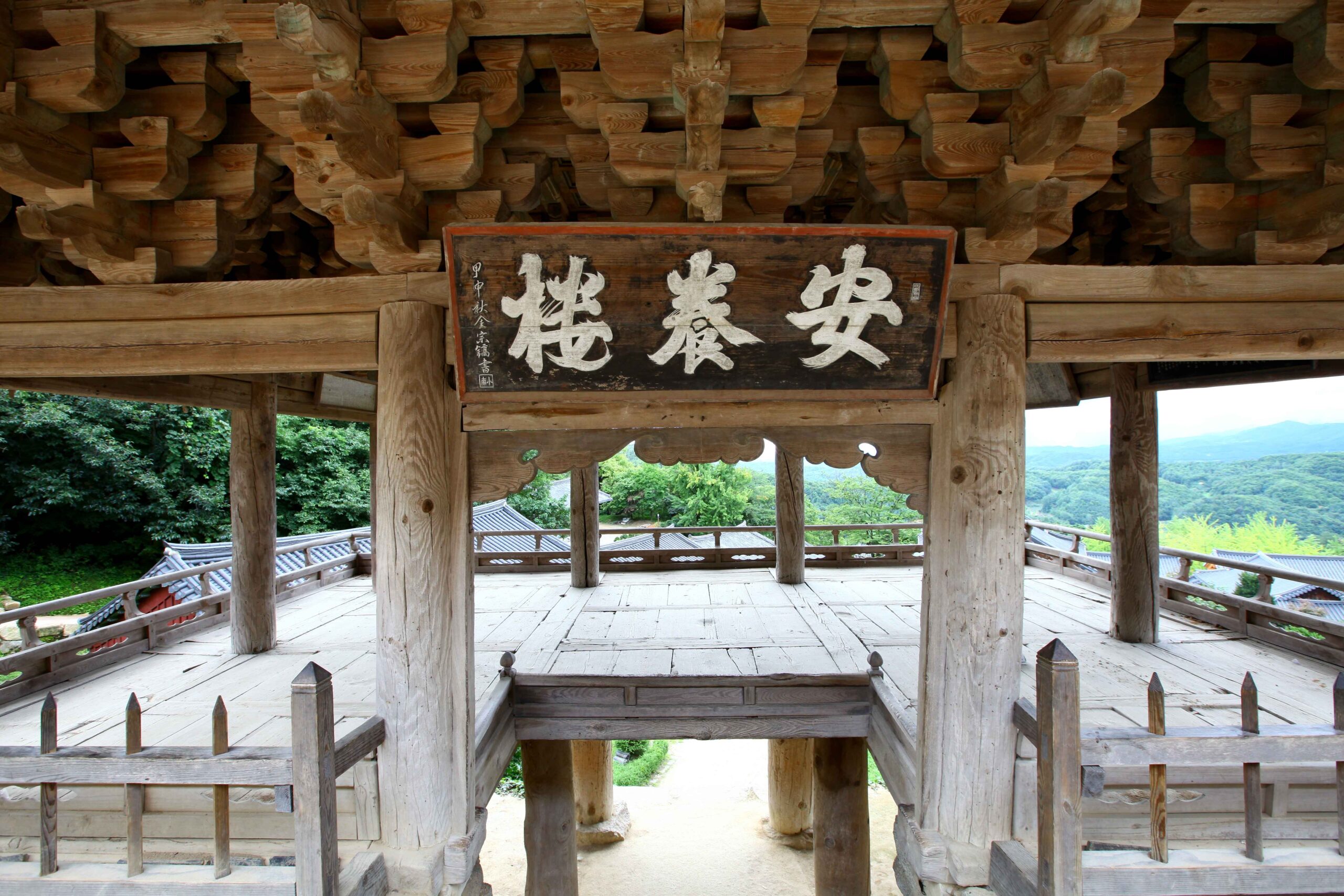
Buseoksa Temple (浮石寺) is a representative Korean Buddhist temple and cultural heritage site located at the foot of Bonghwangsan Mountain in Buseok-myeon, Yeongju-si, Gyeongsangbuk-do Province.
Buseoksa Temple, meaning “temple of floating stones,” is known for its diverse legends related to the Buddha Shakyamuni and its mystical atmosphere.
Founded by Great Monk Uisang in 676 (the 16th year of King Munmu’s reign) by royal order, Buseoksa Temple is a Hwaeomjong temple located in Yeongju-si, Gyeongsangbuk-do Province.
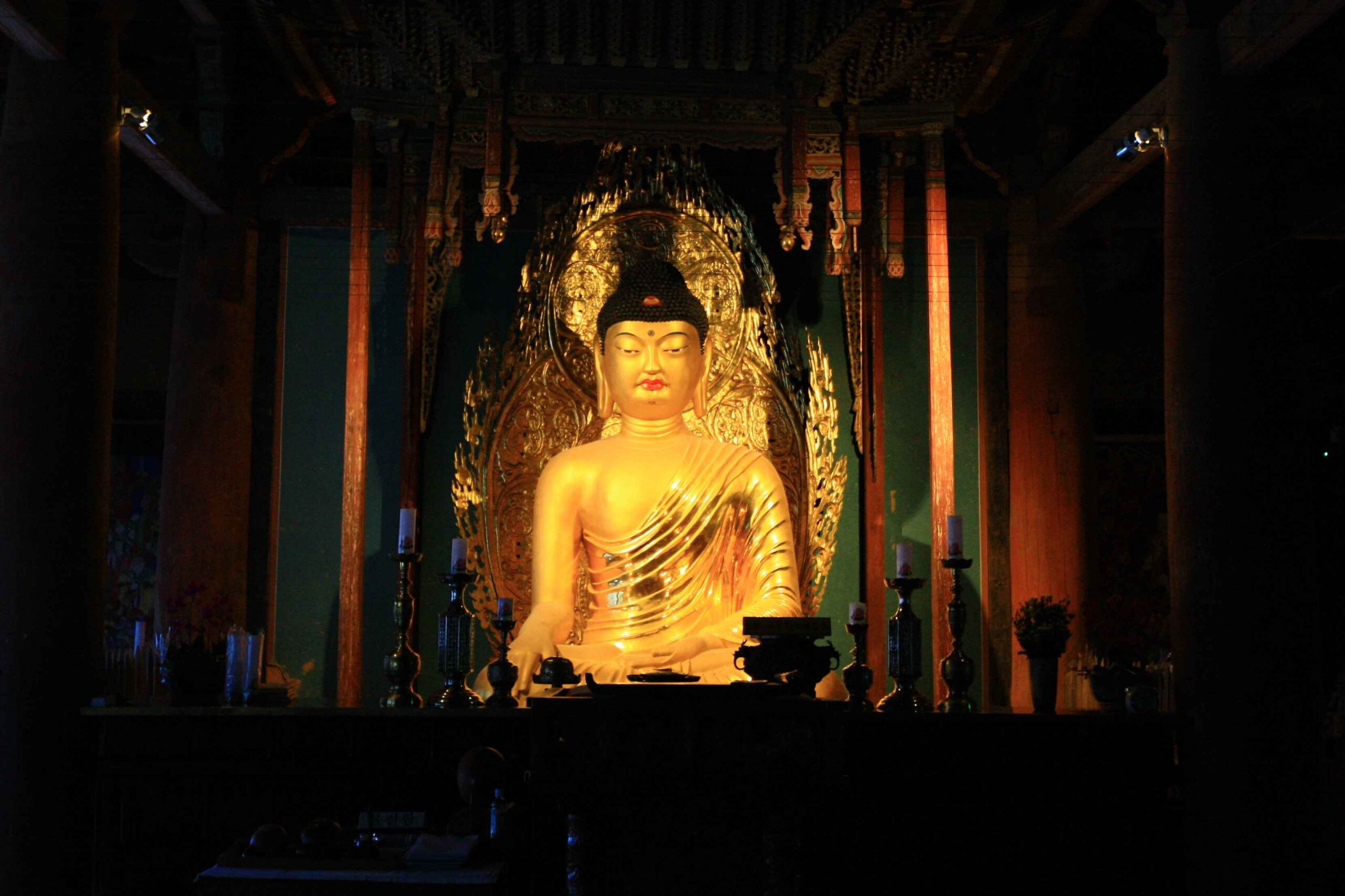
Its most famous structure, Muryangsujeon Hall (無量壽殿), was rebuilt in 1376 (the 25th year of King Gongmin’s reign) and is the second oldest wooden structure in Korea. It enshrines the Amitabha Buddha. Various Buddhist art and architecture from the Joseon and Goryeo periods, including a three-story stone pagoda, various shrines, and relics, are well preserved here. The terraced arrangement of the buildings on the slopes and the surrounding mountains create a breathtaking landscape. Buseoksa Temple is said to have originated from a “floating stone” in the west of Muryangsujeon Hall, a rock that floats slightly above the ground, not connected to the surrounding rock. Legend has it that this “floating stone” was transformed into a rock by a woman named Seonmyo, who protected Uisang.
In 2018, it was registered as a UNESCO World Heritage Site under the name “Sansa, Mountain Monasteries of Korea.”
*Location: 345 Buseoksa-ro, Buseok-myeon, Yeongju-si, Gyeongsangbuk-do
*Key Founder: Great Monk Uisang (625-702)
*Major Buildings: Muryangsujeon Hall, Three-story Stone Pagoda, various shrines, etc.
*Cultural Heritage Designation: UNESCO World Heritage Site (2018), numerous National Treasures and Treasures of Korea
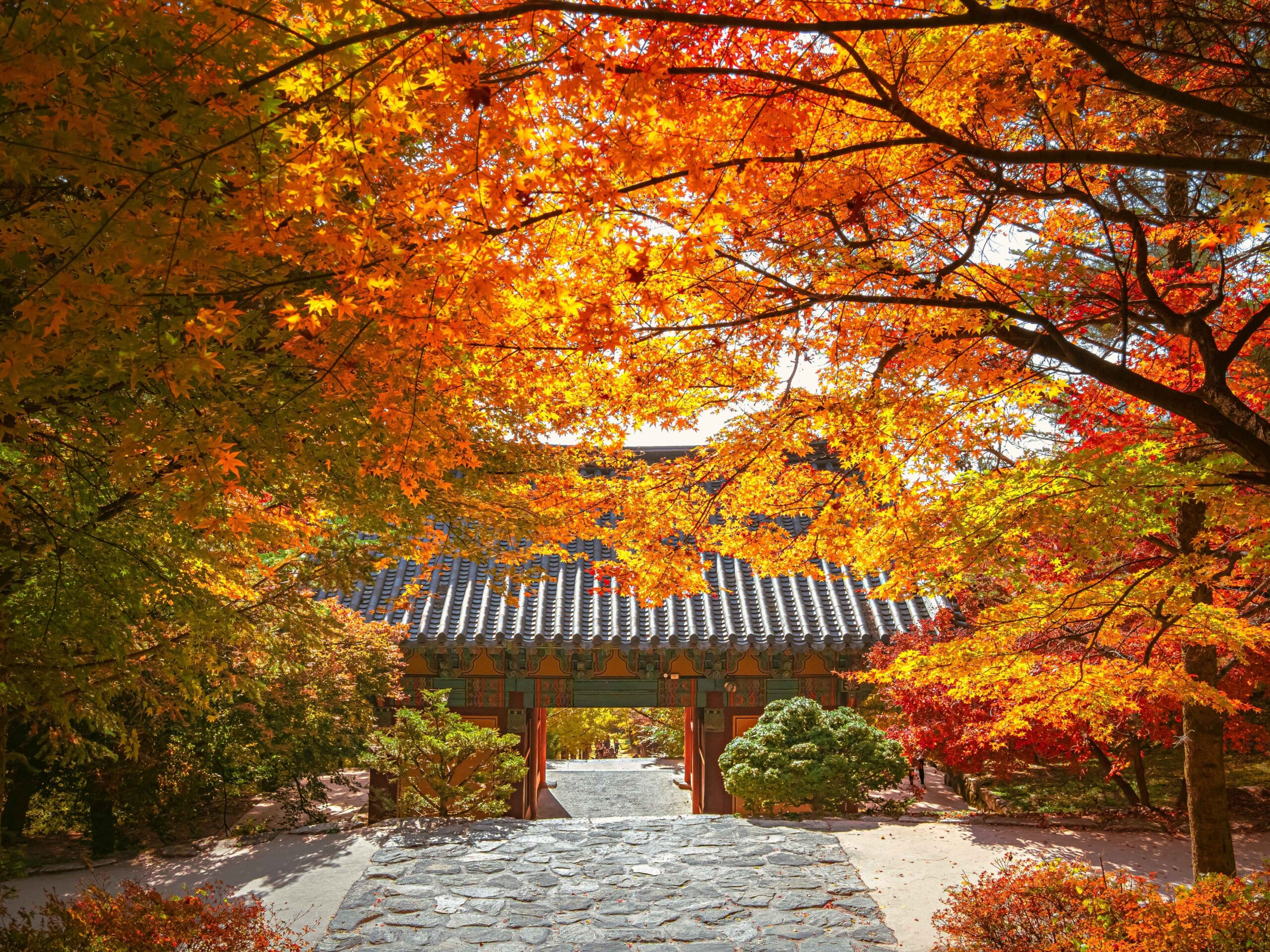
*Points of Interest: Autumn foliage, tranquil mountain temple scenery, historical buildings
ⓒPhoto Korea – 이범수. 김지호. 라이브스튜디오. 이석원. 양지뉴 필름