Hightlight
-
 UNESCO World Heritage
병산서원
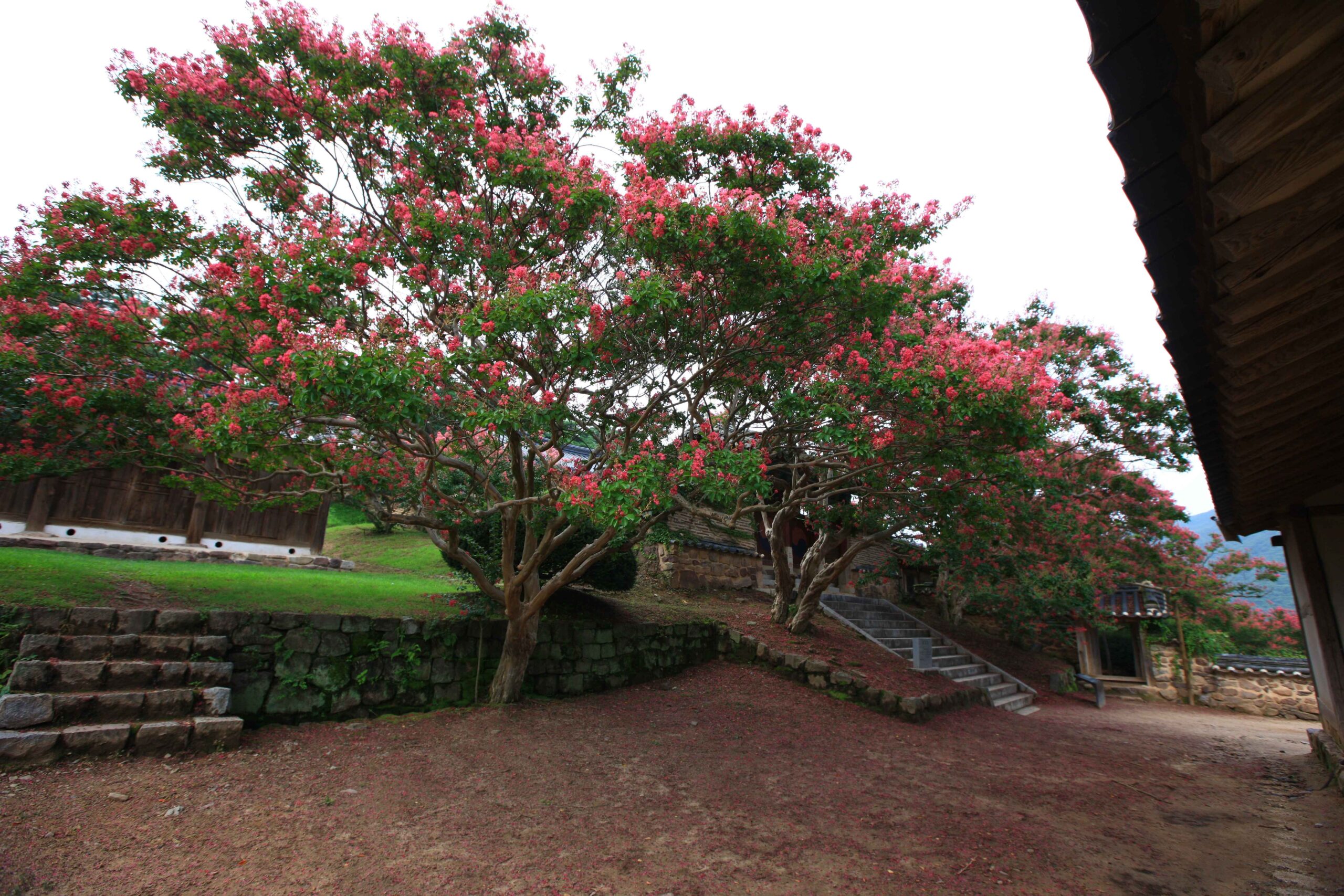
Byeongsan Seowon, a representative Confucian academy (seowon) of the Joseon Dynasty, is located in Andong, North Gyeongsang Province, and was founded in 1613.
Originally a Pungak Seodang (literally “private academy”) dating back to the Goryeo Dynasty, it was relocated to its current location in 1572 by Yu Seong-ryong, establishing it as its current form.
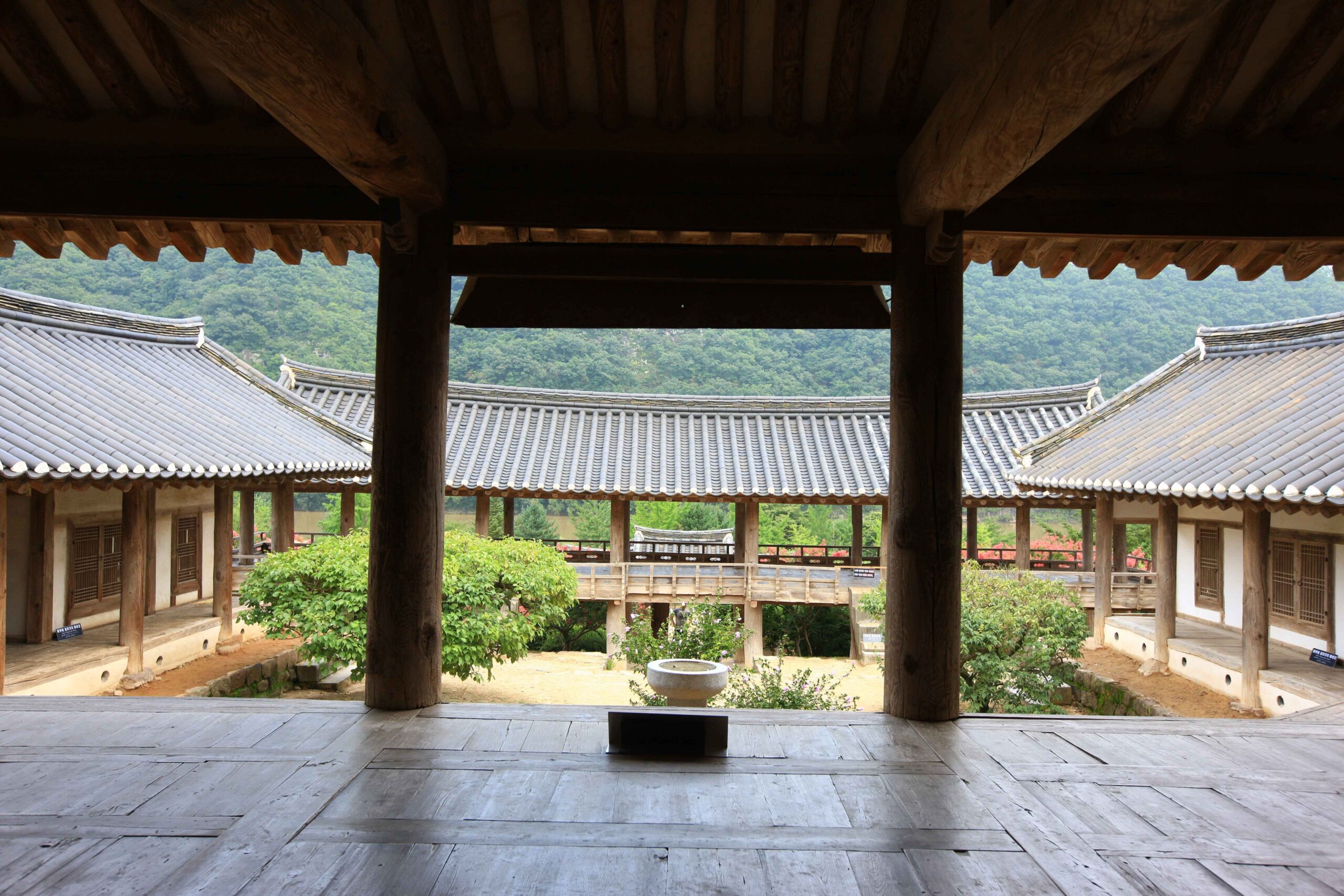
Byeongsan Seowon is a representative example of Confucian architecture from the Joseon Dynasty and has been listed twice as a UNESCO World Heritage Site (Hahoe Village in 2010 and Seowon of Korea in 2019). It is renowned for its architecture, which exemplifies the philosophy of traditional Korean architecture.
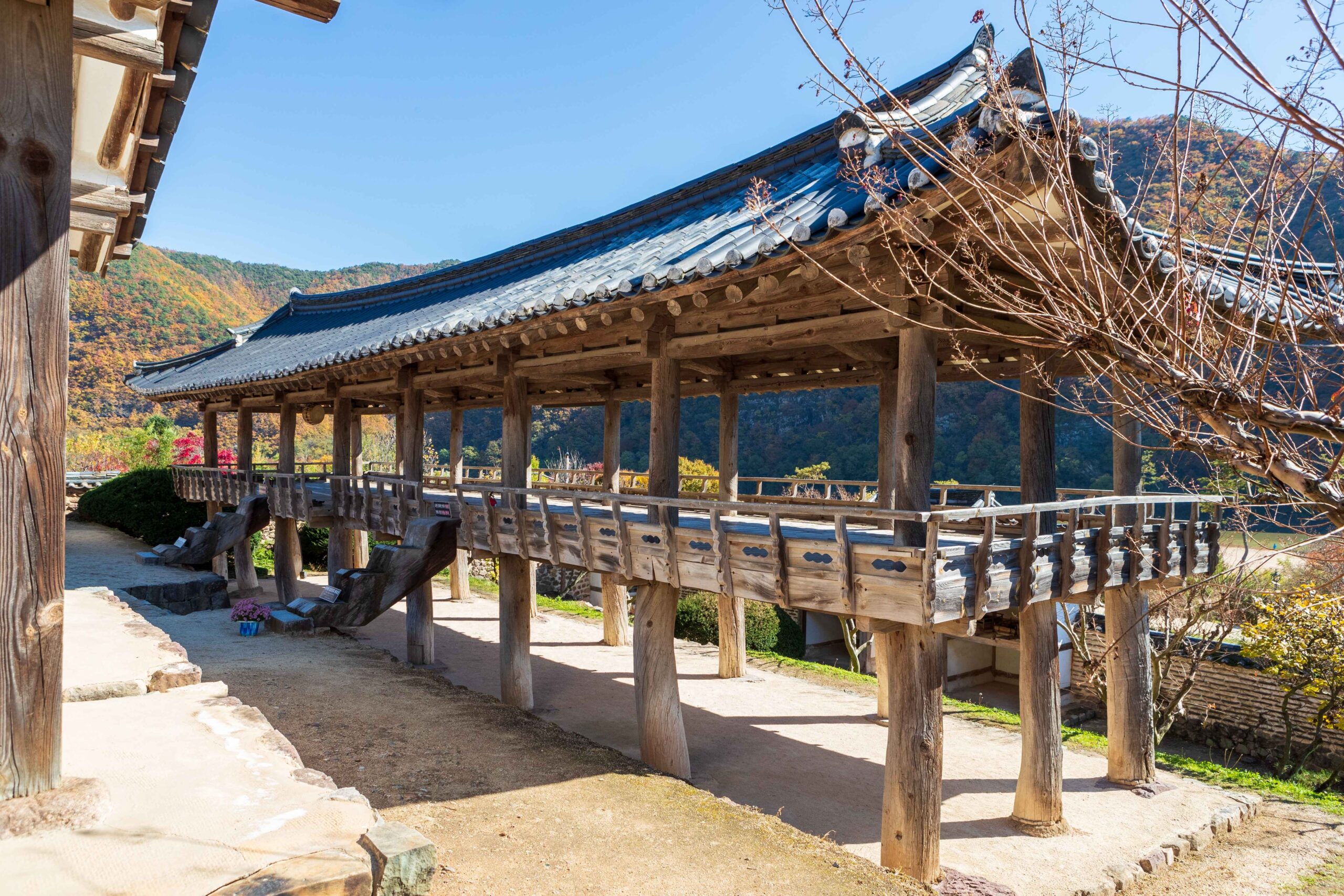
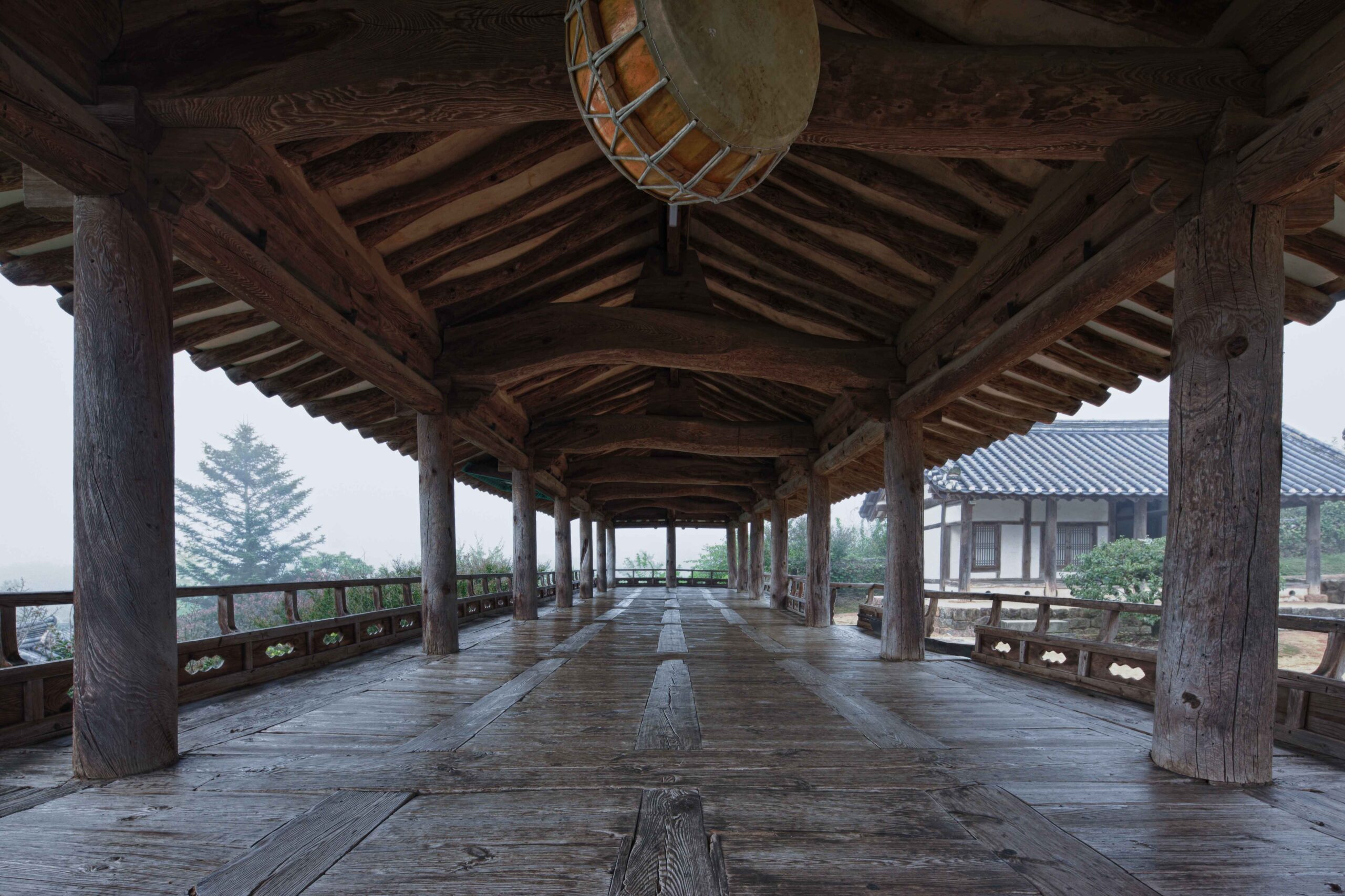
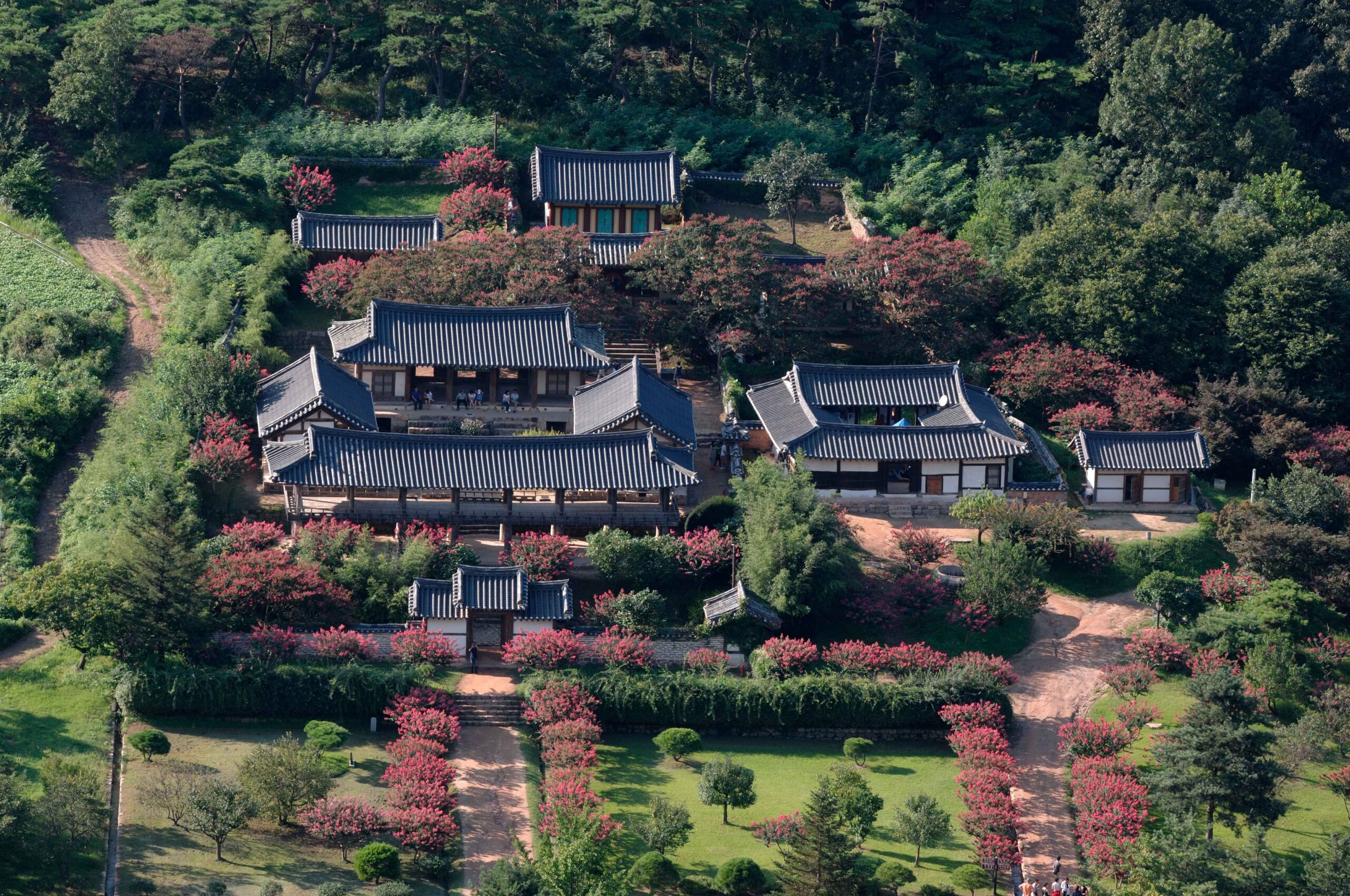
In particular, Byeongsan Seowon’s Mandaeru (a hall) is a unique space offering panoramic views and a breathtaking natural landscape. Its architectural beauty earned it the designation of a National Treasure in 2020. The lecture hall served as a place for Confucian scholars to study, while the shrine held memorial ceremonies for esteemed scholars such as Yu Seong-ryong. The buildings and the surrounding natural environment are arranged in accordance with Confucian ideals, allowing students to focus on their studies and embodying the beauty of traditional Korean architecture in harmony with nature.
*Location: Byeongsan-ri, Pungcheon-myeon, Andong-si, Gyeongsangbuk-do
*Established: 1613 (Relocated and named by Ryu Seong-ryong)
*Main Buildings: Mandaeru, Lecture Hall (Ipgyodang), Dongjae (East House), Seojae (Study), Shrine (Jonhyeonsa)
*Characteristics: Architecture in harmony with nature, harmonizing Confucian learning with ancestral rites
*Cultural Heritage Designation: Mandaeru, National Treasure, UNESCO World Heritage Site (2019)
*Visitor Tip: Regular ancestral rites and seowon experience programs available
Byeongsan Seowon is a center of learning where traditional architecture and Confucian ideology blend, and is an important historical site that fosters a deeper understanding of Korean culture and history.
ⓒPhoto Korea – 김지호. 현영찬