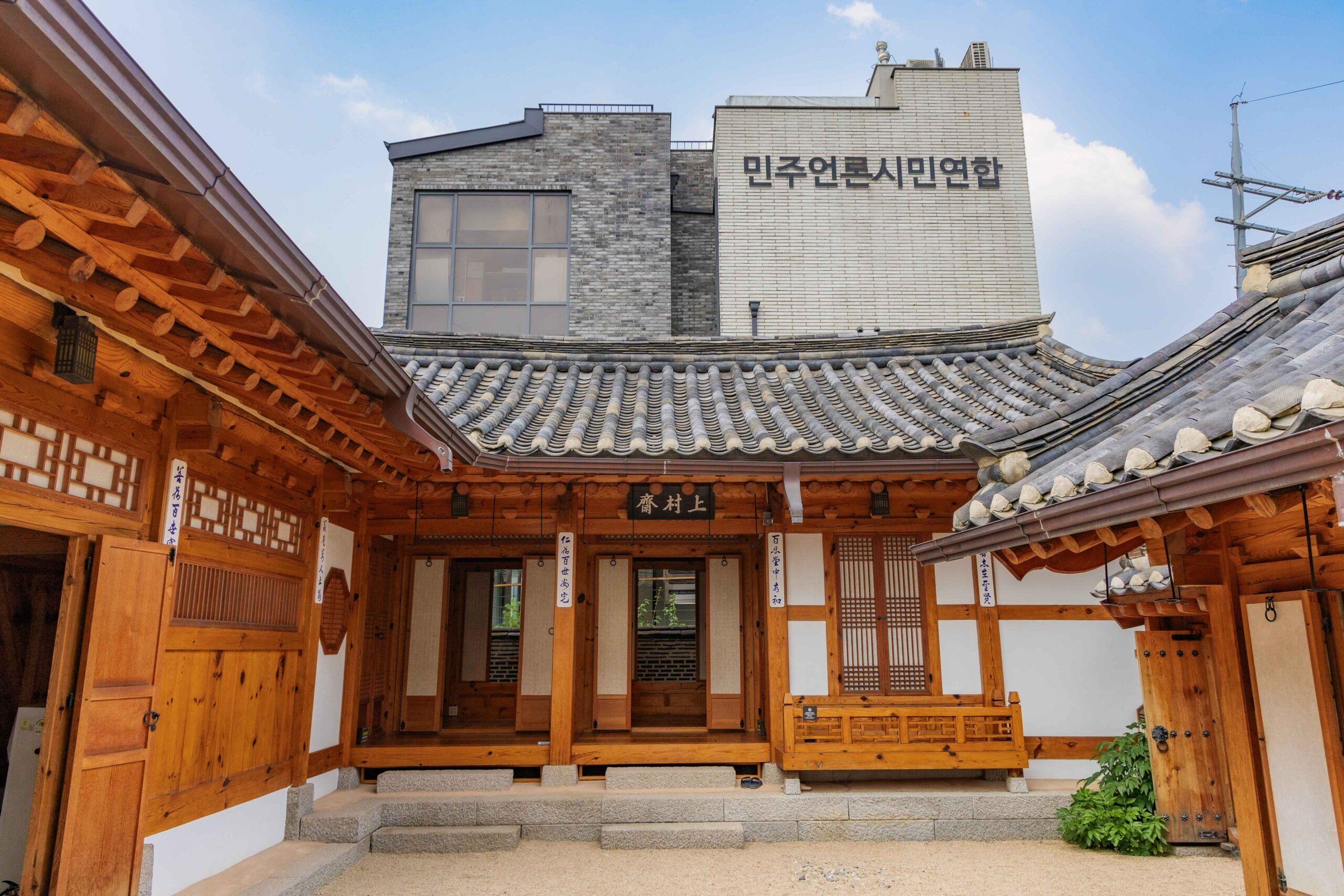
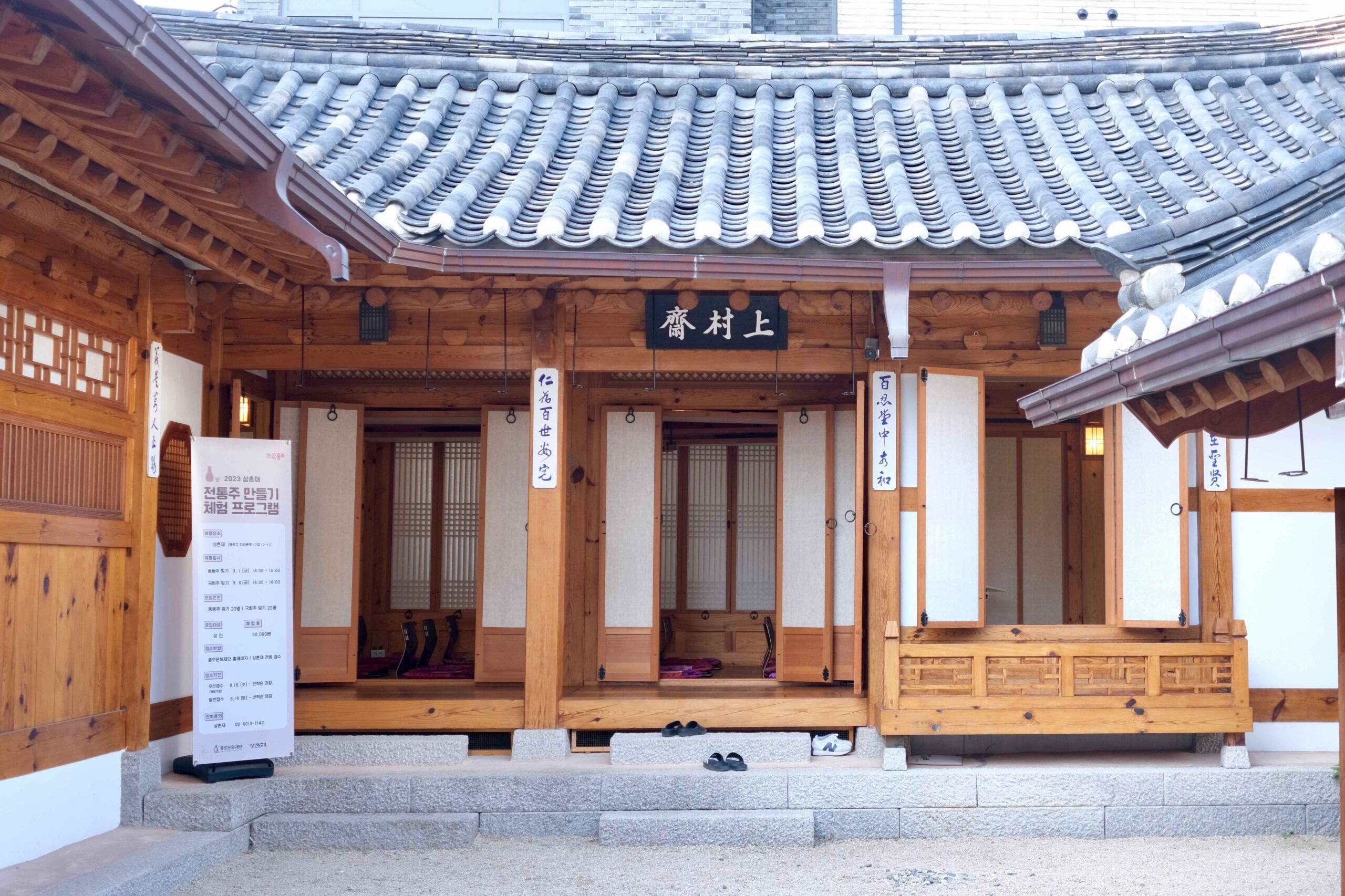
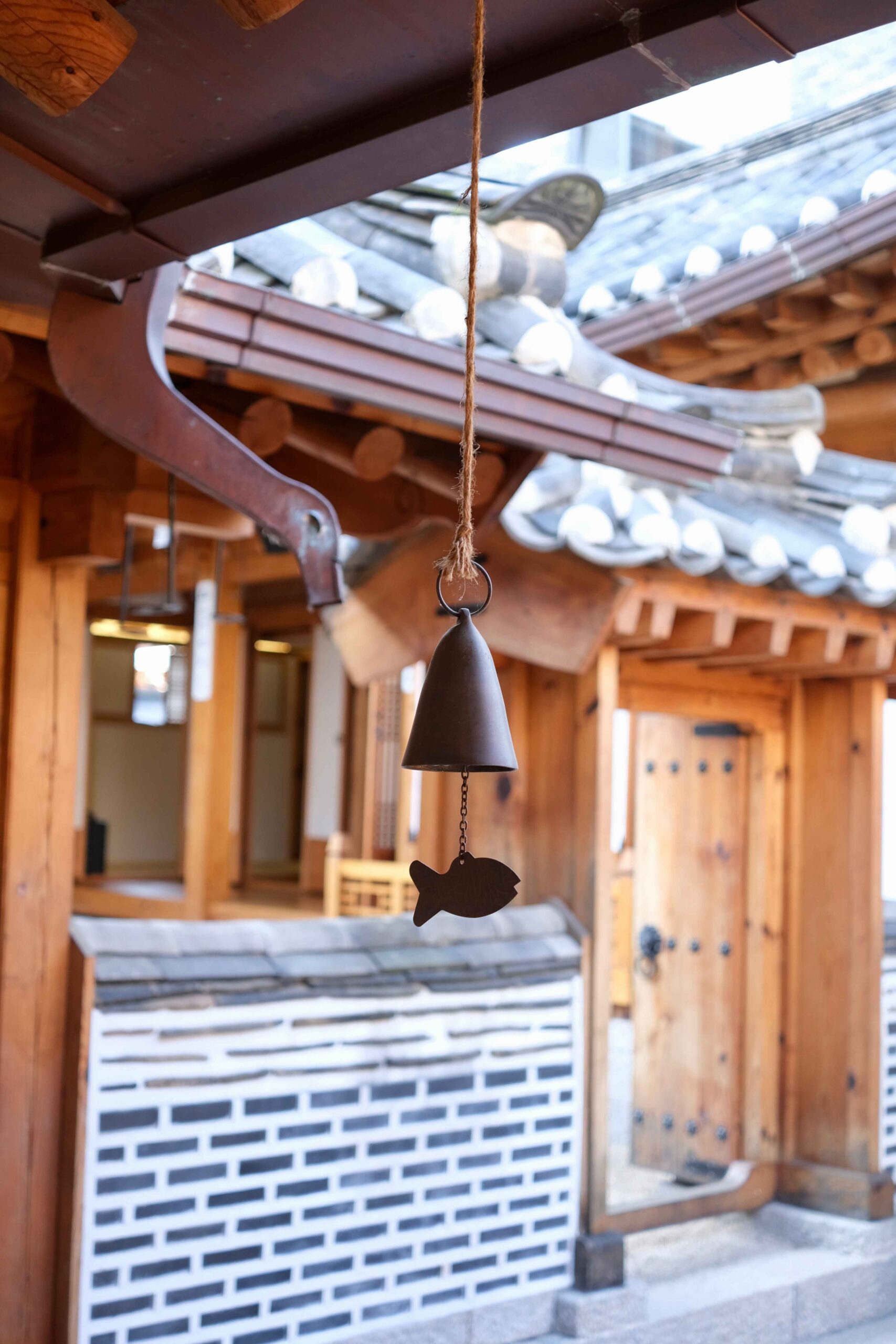
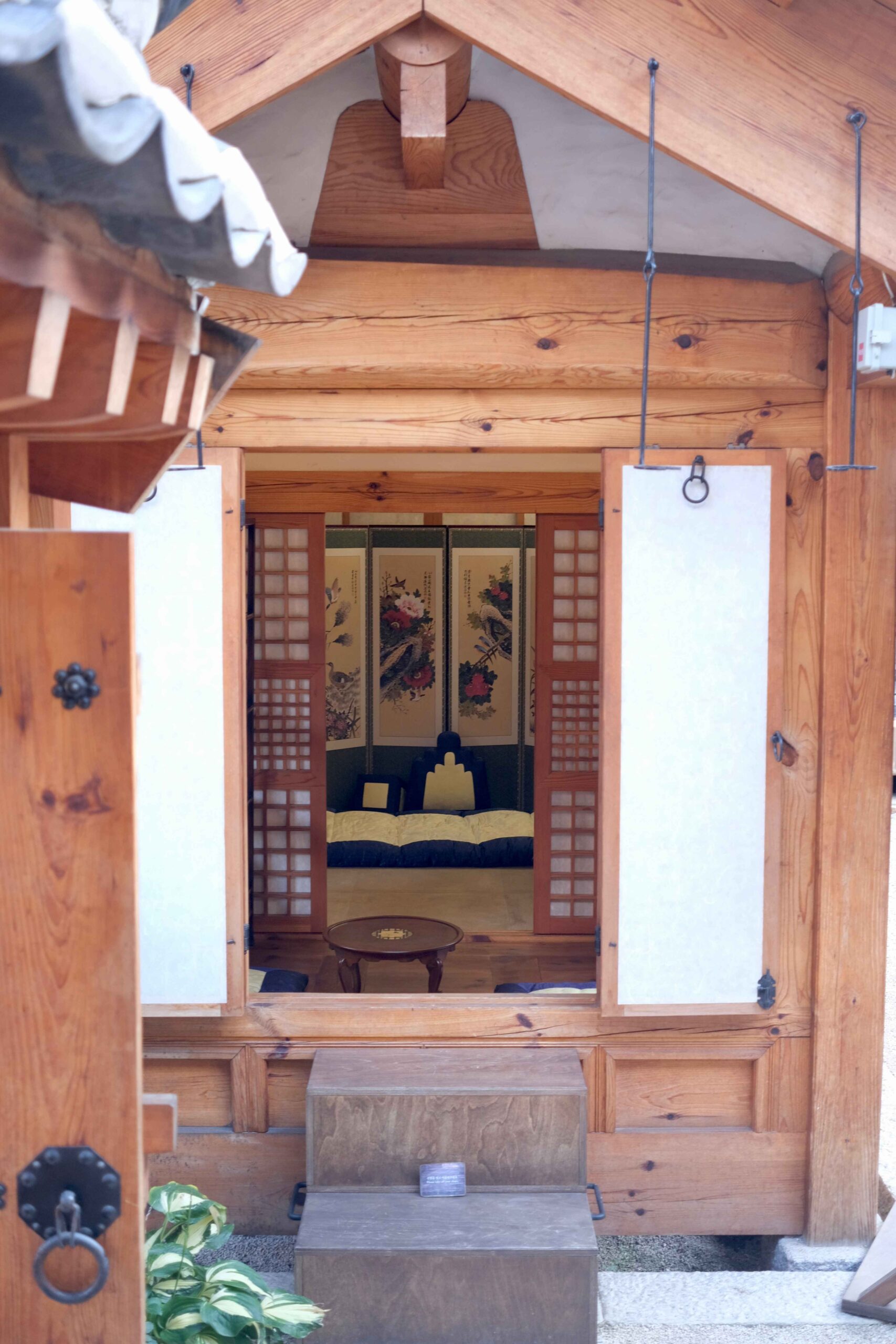
상촌재
Seochon Hanok Village (Seochon Hanok Village) is a traditional hanok village located west of Gyeongbokgung Palace in Jongno-gu, Seoul. It is one of the oldest residential areas in Seoul, dating back to the Joseon Dynasty.
“Seochon” means “west village,” a name derived from its location west of Gyeongbokgung Palace.
A cultural and artistic landmark in Seoul where tradition and modernity coexist, this area is recommended for visitors seeking a hanok experience, quiet strolls through the alleys, and unique food and cafe exploration.
Sightseeing and Attractions
*Traditional Hanok Alley: A quietly preserved hanok alley and stairway, renovated hanok cafes, and souvenir shops.
*Tongin Market: Experience Seochon’s signature restaurants, including lunchbox cafes, Jeonju bibimbap, and tteokbokki (stir-fried rice cakes), and a traditional market experience.
*Suseongdong Valley: A relaxing space in the heart of the city, with a small stream and natural rock formations.
*Park No-soo Art Museum: A museum remodeled from the home of modern artist Park No-soo.
*Sangchunjae Hanok: A space showcasing traditional culture through restored houses of masters (12-11 Jahamun-ro 17-gil).
*Old bookstores, galleries, and art workshops: Stroll through the artistic alleyways.
Characteristics and Atmosphere
*A more authentic and less commercialized area than Bukchon, making it ideal for quiet strolls and alley cafe tours.
*Nearby walking trails offer a natural setting, including Inwangsan Mountain, Gyeongbokgung Palace, and Sajik Park.
*The alleys, once home to middle-class scholars and artists, retain their unique charm and history. The harmony between the traditional Korean roof and modern lifestyle is impressive.
ⓒPhoto Korea – 최린. 안영관