Hightlight
-
 UNESCO World Heritage
석굴암
Seokguram Grotto (Seokguram Grotto) is a representative Silla-era stone temple located on the slopes of Tohamsan Mountain in Gyeongju, Gyeongsangbuk-do Province. Along with Bulguksa Temple, it is a UNESCO World Heritage Site.
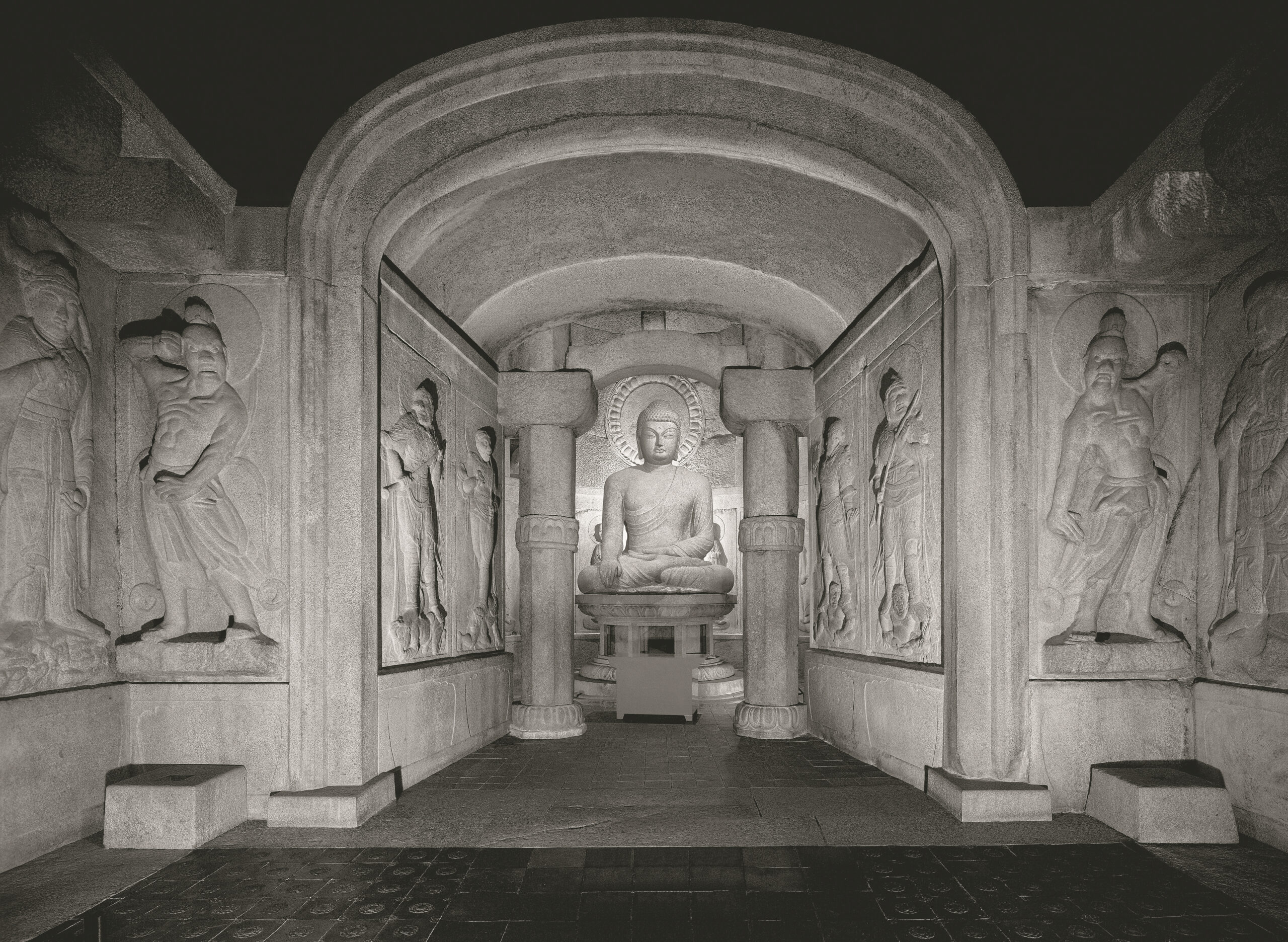
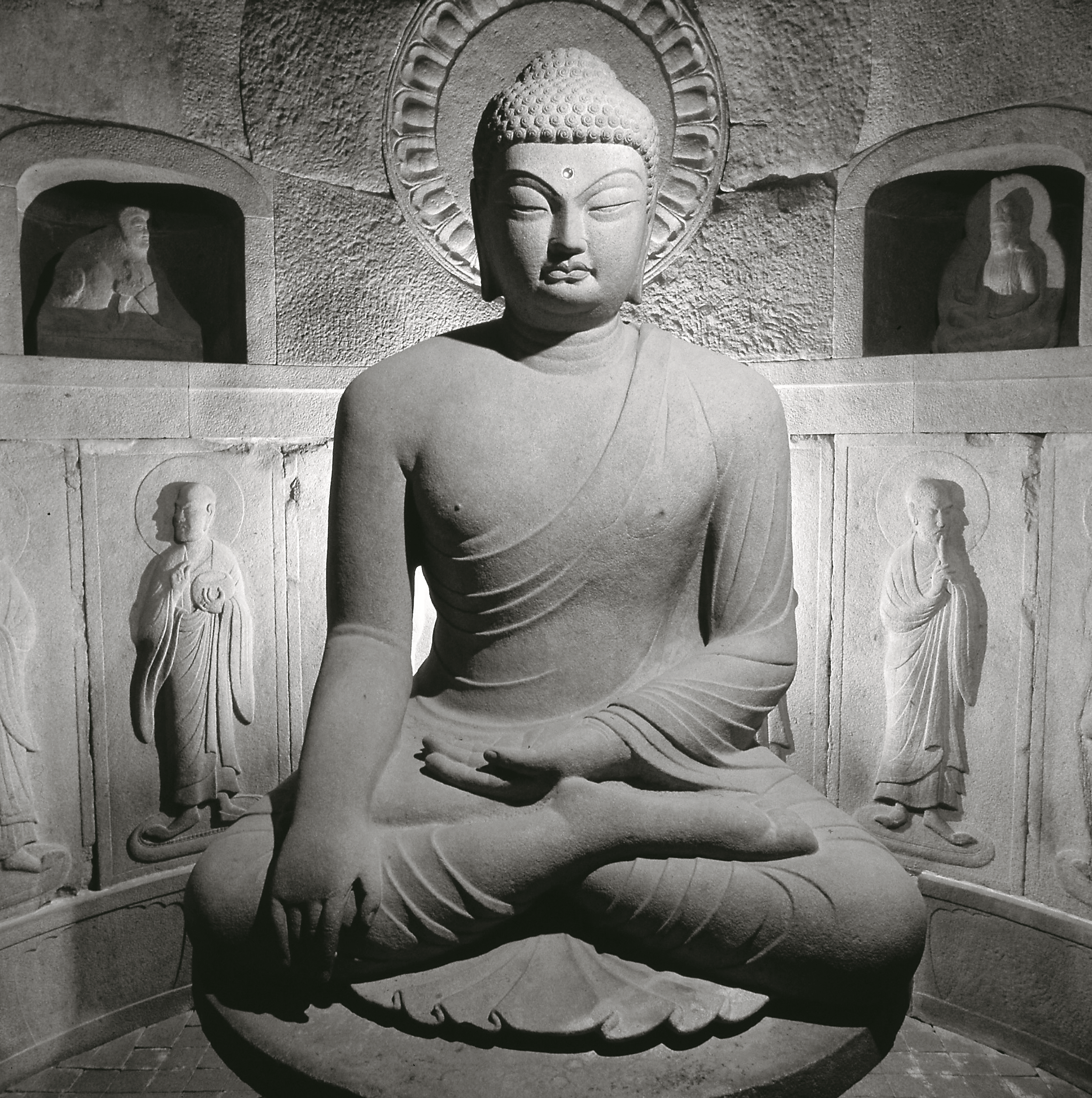
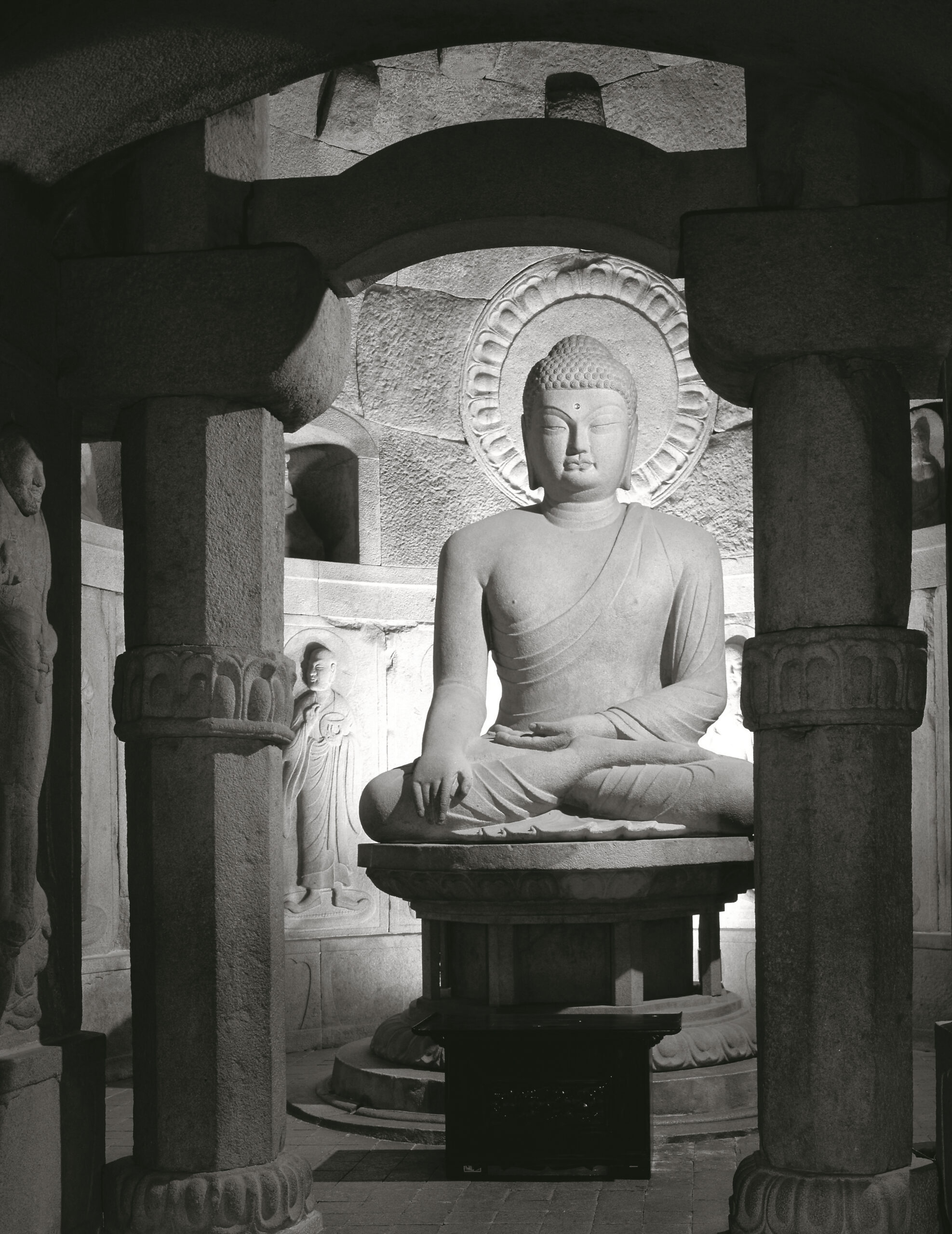
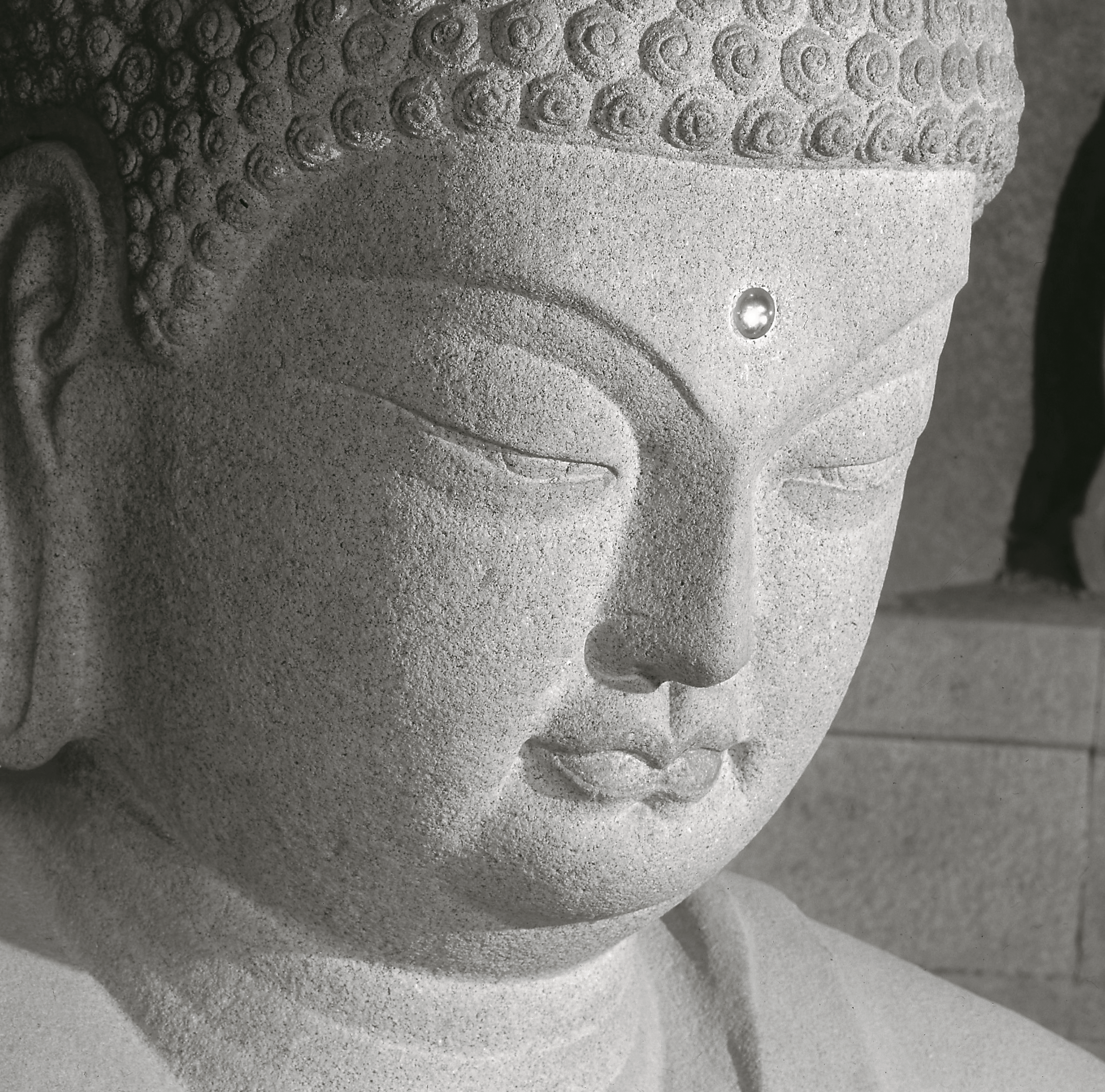
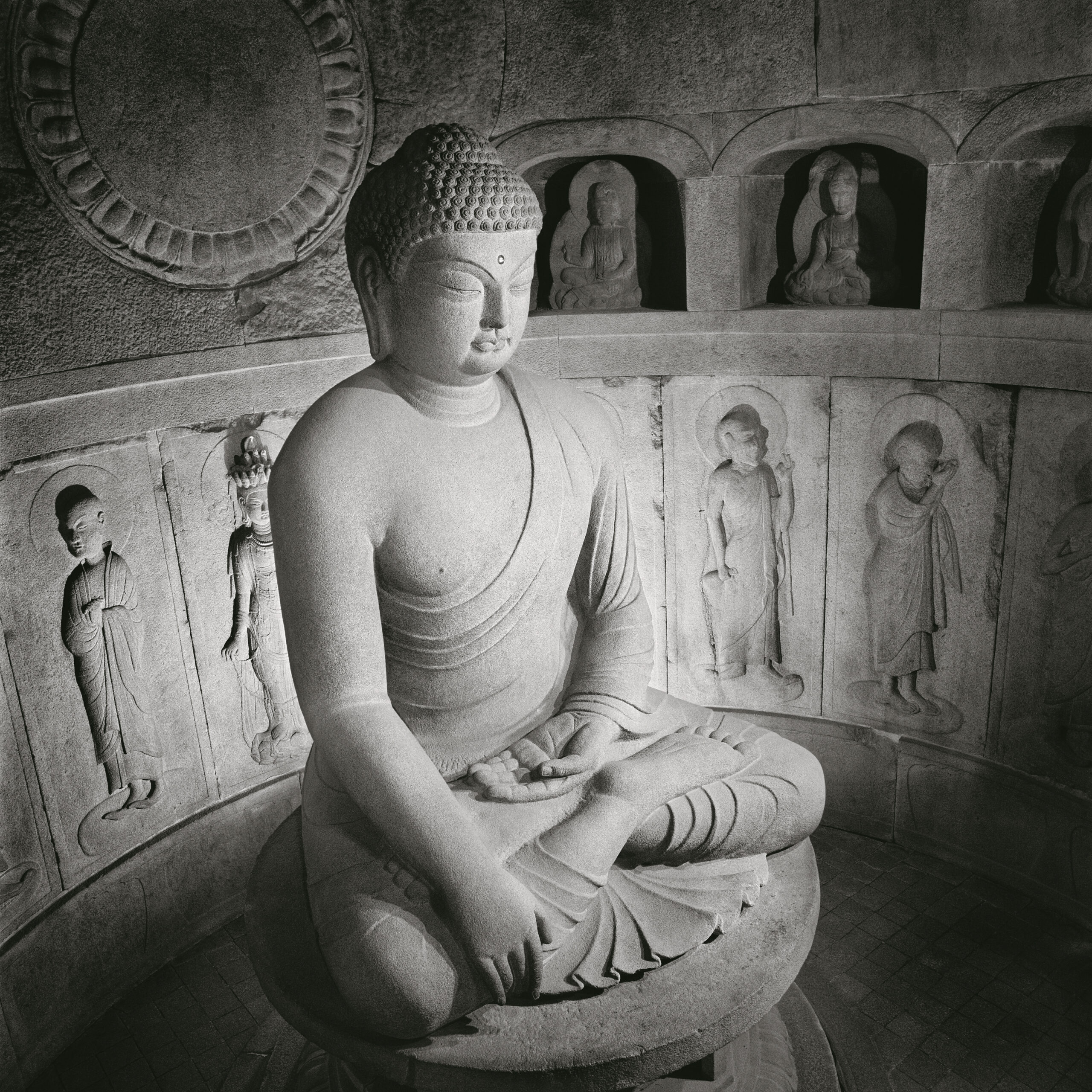
These grottoes were built by Kim Dae-seong in the 8th century (751–774 of the reign of King Gyeongdeok of Silla). The structure is artificially constructed of granite. The circular main chamber features a gigantic seated Buddha statue in the center, surrounded by realistically carved high and low reliefs of various deities, bodhisattvas, and disciples. This makes it a masterpiece of East Asian Buddhist sculpture. The Buddha sits facing the sea, adopting the mudra (Dhyana Mudra) and the earthly seal, representing meditation and enlightenment.
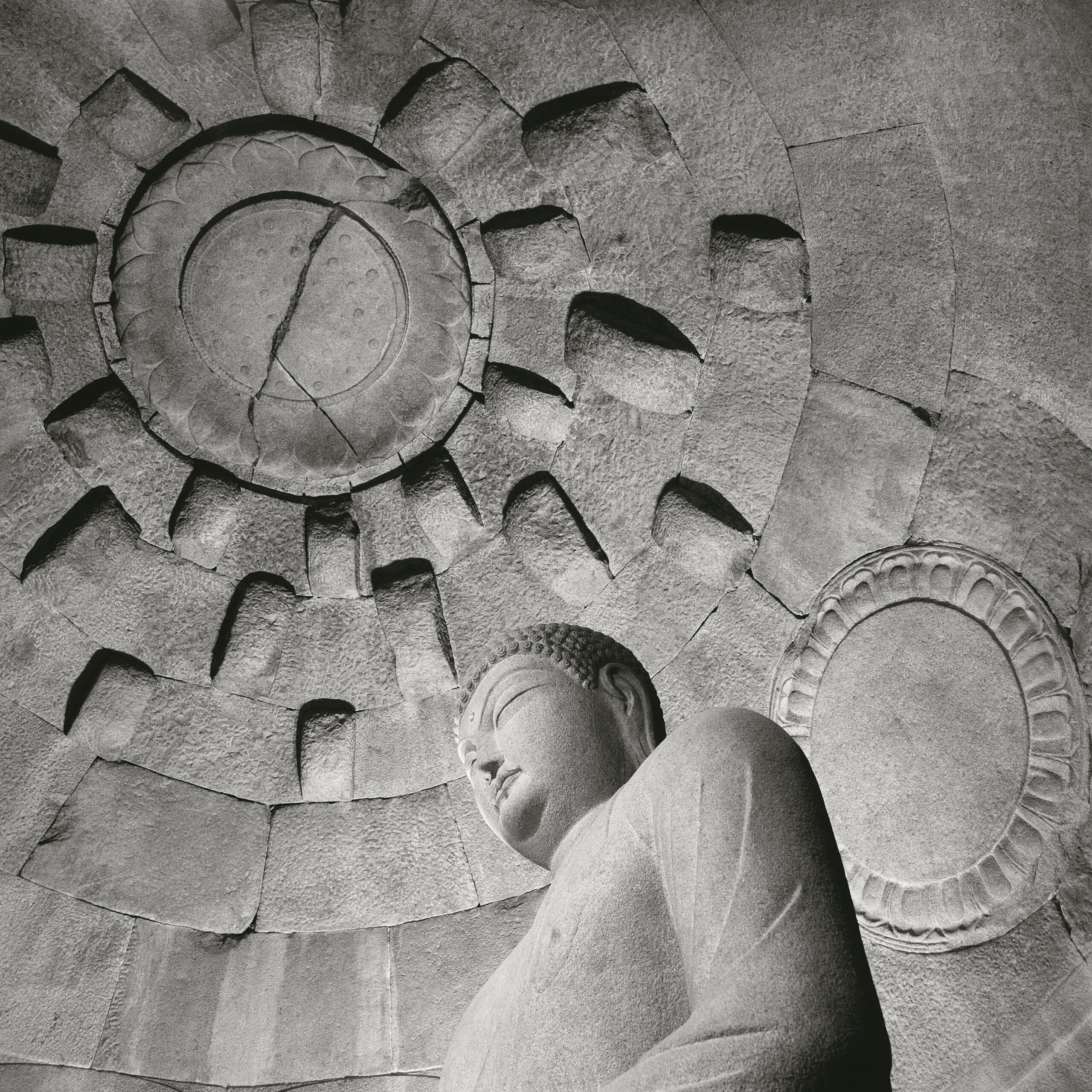
Originally called “Seokbulsa,” Seokguram Grotto is famously known as Kim Dae-seong’s “Seokbulsa,” and a well-known legend holds that Bulguksa Temple was built to commemorate his parents in this life, while Seokguram Grotto commemorated his parents in a previous life. From its 750-meter summit, the temple offers breathtaking views of the East Sea and the sunrise. The interior, comprised of an anbang (main room), passageways, and a main room (dome ceiling), showcases innovative architectural techniques meticulously assembled from approximately 360 stone blocks.
Cultural Heritage Designation and Value:
*National Treasure No. 24 of the Republic of Korea in 1962
*Inscribed a UNESCO World Heritage Site along with Bulguksa Temple in 1995
*The temple’s interior is enclosed by glass for protection and is accessible only to the naked eye.
*Hours: Daily 9:00 AM – 5:00 PM
*Location: 238 Seokgul-ro, Gyeongju-si, Gyeongsangbuk-do
*Accessibility: Wheelchair-accessible parking and restrooms
Seokgulam Grotto embodies the religious views, aesthetic beauty, architectural techniques, and Buddhist art of the Silla people. It is considered the most elegant and accomplished masterpiece among East Asian grotto temples. It is also a popular sunrise spot, making it a must-visit cultural heritage site when visiting Gyeongju.